
Cold Plunge for Weight Loss: Can Ice Baths Really Help You Burn Fat in 2025?
If you scroll through social media, you’ve likely seen fitness influencers submerging themselves in icy water, claiming it’s the ultimate hack for shedding pounds. The narrative is appealing: sit in freezing water, shiver a bit, and watch the fat melt away without lifting a finger. But does the science actually support the hype?
While cold exposure does trigger physiological responses that increase calorie burn, the relationship between cold plunges and significant weight loss is nuanced. It involves complex mechanisms like cold-induced thermogenesis and brown fat activation, but these are not magic bullets. Whether you are setting up a cold plunge in a Minnetonka basement or braving a Twin Cities backyard in winter, understanding the metabolic reality is crucial. This article reviews the evidence behind cold exposure and weight loss to help you set realistic expectations.
What is Cold-Induced Thermogenesis?
To understand how cold exposure might influence weight, we first need to define cold-induced thermogenesis (CIT). This is the process by which the body generates heat to maintain its core temperature when exposed to cold environments.
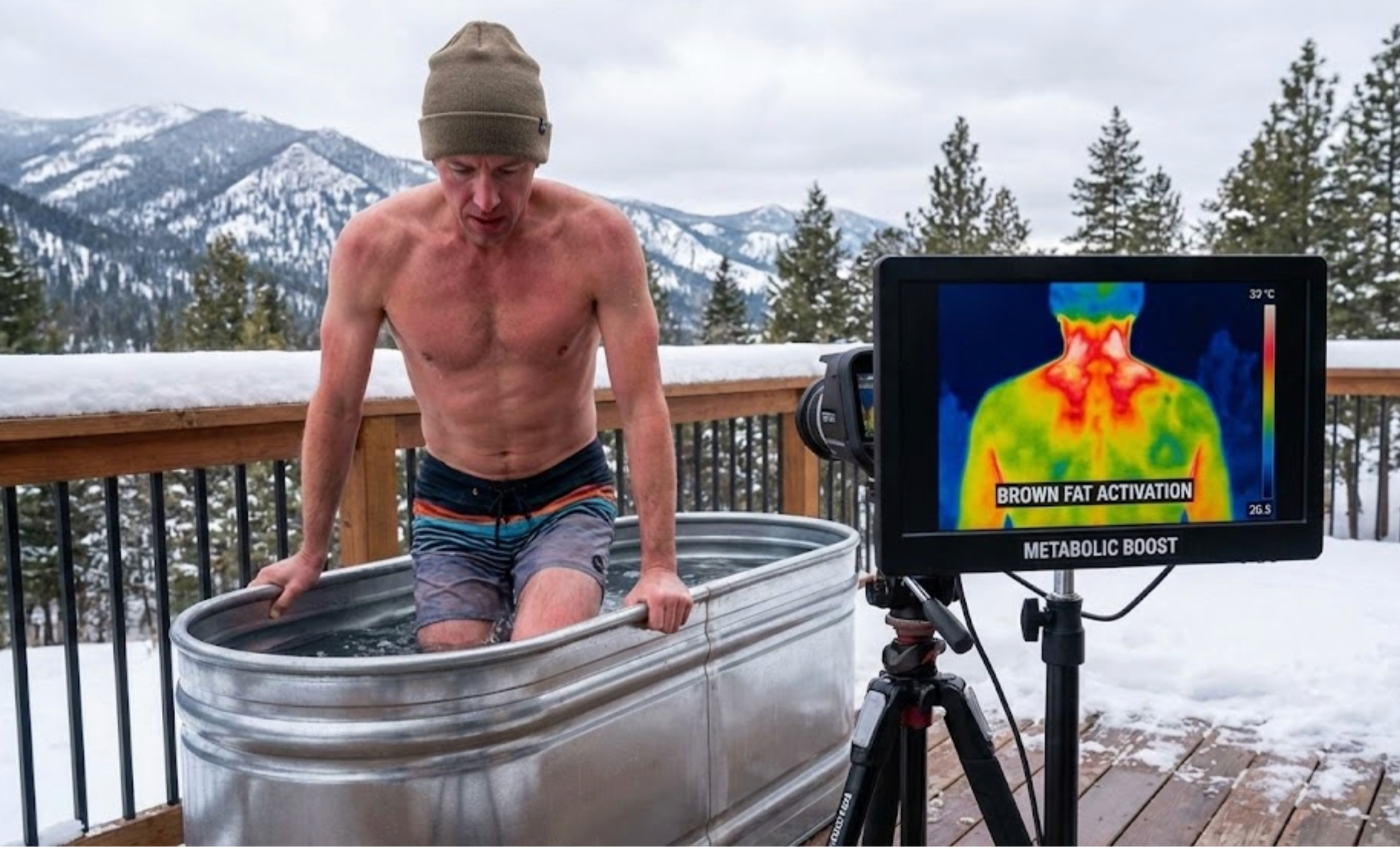
CIT occurs via two primary mechanisms: shivering and non-shivering thermogenesis. Shivering involves involuntary muscle contractions that generate heat, while non-shivering thermogenesis is largely driven by brown adipose tissue (BAT), also known as brown fat. Unlike white fat, which stores energy, brown fat is metabolically active and burns glucose and fatty acids to produce heat.
Human studies have demonstrated that BAT can be activated during mild cold exposure. Research indicates that this activation is linked to improved glucose handling and increased energy expenditure 1. However, while the metabolic rate does rise during cold exposure, the total number of calories burned in a typical session—often ranging from tens to a couple hundred calories—remains relatively modest when compared to total daily energy intake.
Brown Fat Activation and Metabolism
The potential of brown fat to fight obesity has been a subject of intense research. Animal studies have consistently shown that intermittent cold exposure increases energy expenditure and activates BAT. For instance, rodent models demonstrate that while cold exposure boosts metabolism, it is often accompanied by a compensatory increase in food intake, which can negate weight loss effects 2.
In humans, the data is promising but less definitive regarding weight loss. Mild cold protocols have been shown to increase energy expenditure and improve insulin sensitivity in some participants. A review on the therapeutic potential of cold exposure notes that while BAT activity is associated with better cardiometabolic profiles, long-term evidence showing significant body weight reduction in free-living humans is limited 3.
Therefore, cold exposure appears more effective as a tool for supporting metabolic health—such as improving insulin sensitivity and glucose regulation—rather than a standalone solution for rapid weight loss.
Calories Burned in an Ice Bath: Math and Limits
It is a physiological fact that cold plunges raise metabolic rate. Some experiments suggest that energy expenditure can roughly double during the period of cold exposure compared to resting rates. However, it is essential to contextualize these numbers.
If a cold plunge lasts for 10 to 20 minutes, the window of increased calorie burn is short. Even if the metabolic rate doubles, the absolute caloric contribution to a daily deficit is small. For example, a 20-minute session might burn an extra amount of energy comparable to a brisk walk. Without dietary adjustments, this expenditure is easily offset by a small snack or a slight increase in portion size at the next meal.
Appetite, Compensation, and the Energy Balance
One of the critical limitations of using cold exposure for weight loss is the body’s homeostatic drive to maintain energy reserves. This phenomenon is known as compensation. Research suggests that cold exposure can stimulate appetite, leading individuals to eat more following immersion.
A recent study highlighted in press coverage noted that participants consumed significantly more food after cold-water immersion compared to neutral conditions, suggesting that the body attempts to "refuel" after the thermal stress 4. This compensatory eating behavior explains why increased energy expenditure does not automatically translate to weight loss. If the calories burned in the tub are immediately replaced (or exceeded) by post-plunge nutrition, the net effect on body fat stores will be negligible.
Cold Plunges vs. Exercise and Diet
When evaluating fat loss strategies, standard lifestyle interventions still reign supreme. Structured exercise and dietary changes create sustained calorie deficits that are difficult to replicate through thermal stress alone.
Exercise and Diet:
- Can create daily deficits of 300–500+ kcal.
- Preserves or builds lean muscle mass.
- Improves cardiovascular fitness and strength.
Cold Plunges:
- Provides short windows of increased expenditure.
- Offers potential metabolic benefits like improved insulin sensitivity.
- May aid in recovery and stress resilience.
The most evidence-based approach is to view cold plunges as a complementary tool. They can support a regimen that includes resistance training, aerobic activity, and a balanced diet—such as a Mediterranean-style eating pattern—but they cannot replace the fundamental pillars of weight management.
Realistic Expectations for Body Fat Loss
If you decide to integrate cold plunging into your routine, having realistic expectations is vital for long-term adherence. Based on current physiological evidence, here is what you might expect:
- Daily Expenditure: A small increase in daily calorie burn, provided you do not unconsciously increase food intake.
- Metabolic Health: Potential improvements in fasting glucose and insulin sensitivity, which may indirectly support weight management 5.
- Indirect Benefits: Enhanced recovery from training and potential improvements in mood, which can help maintain consistency with exercise protocols 6.
Cold plunges can amplify a solid plan, but they are unlikely to produce dramatic fat loss on their own.
Protocol Considerations: Safety and Sustainability
For those looking to add cold exposure for metabolic support, safety is paramount. The shock of cold water places significant stress on the cardiovascular system.
- Temperature and Duration: A conservative baseline is mild to moderate cold (50–59 °F or 10–15 °C) for short durations of 1 to 5 minutes.
- Frequency: Aim for a few days per week, progressing cautiously as you adapt.
- Medical Screening: Individuals with cardiovascular disease, high blood pressure, or respiratory conditions should consult a clinician before starting.
Conclusion
Cold plunges offer intriguing benefits for recovery and metabolic health, but they are not a miracle cure for obesity. While cold-induced thermogenesis and brown fat activation are scientifically valid mechanisms, the caloric impact is often overstated and easily negated by compensatory eating.
For the best results, position cold exposure as a supporting character in your health journey—one that aids recovery, resilience, and metabolic function—while letting nutrition and movement take the lead roles in weight loss.
Key takeaways
-
Cold-induced thermogenesis is real but modest
Cold exposure increases energy expenditure through shivering and non-shivering thermogenesis, driven in part by brown adipose tissue (BAT). BAT activation and cold-induced thermogenesis can improve glucose handling and slightly raise daily calorie burn, but typical cold-plunge sessions only add tens to a couple hundred calories—small compared with total daily intake. -
Brown fat supports metabolism more than rapid fat loss
Animal studies show that intermittent cold exposure boosts BAT activity and energy expenditure, but increased food intake often cancels out weight-loss effects. In humans, mild cold protocols can improve insulin sensitivity and cardiometabolic markers, yet long-term trials in free-living people show limited, inconsistent changes in body weight. -
Extra calories burned are easy to offset
Even if a 10–20 minute ice bath doubles energy expenditure during the session, the time window is short and the absolute calorie burn is comparable to a brisk walk of similar duration. Studies and press reports highlight that people commonly eat more after cold-water immersion, which can completely negate any additional burn. -
Compensation and appetite are the main bottlenecks
The body defends temperature and energy reserves, so cold exposure often increases hunger and drives “refueling” after immersion. Without conscious dietary control, this compensation means cold plunges alone rarely lead to meaningful, sustained body-fat reduction. -
Cold plunges complement, not replace, diet and exercise
Exercise and nutrition can create sustained daily energy deficits of 300–500+ kcal while preserving lean mass and improving fitness; cold exposure cannot match this effect on its own. The most evidence-based role for cold plunges is as a complementary tool that may support metabolic health, recovery, mood, and adherence to a structured diet and training plan rather than acting as the primary driver of weight loss. -
Realistic expectations matter for long-term success
Used a few times per week at safe temperatures, cold plunges may provide small boosts in daily energy expenditure, better glucose control, and improved recovery, which can indirectly support weight management. However, dramatic fat loss from ice baths alone is unlikely; the main benefits align more with metabolic resilience and habit support than with rapid changes on the scale. -
Safety and personalization come first
Cold exposure stresses the cardiovascular and respiratory systems, so people with heart disease, uncontrolled hypertension, arrhythmias, or lung conditions should get medical clearance before plunging. Protocols should be tailored to local conditions—such as an Austin garage in winter versus a Twin Cities backyard in summer—and integrated with clinician guidance for anyone with underlying health issues.
FAQ
Q: Do cold plunges actually burn fat?
Cold plunges increase energy expenditure during and shortly after cold exposure, and they activate brown fat and shivering muscle, which burn calories to generate heat. However, most people compensate by eating more, and current human data show limited, inconsistent impact on long-term body weight without diet changes.
Q: How many calories does an ice bath burn?
Metabolic studies suggest that energy expenditure can roughly double during cold exposure compared with rest, but this increase is transient and the absolute calories per 10–30 minute session are modest relative to daily intake. In some experimental setups, total extra daily burn is easily offset by a single snack.
Q: Can cold plunges replace diet and exercise for weight loss?
No. Exercise and nutrition changes drive much larger and more sustained energy deficits than a few cold sessions per week. Cold plunges are best viewed as an adjunct that may support metabolic health, stress management, and recovery, helping you stick to a comprehensive weight-loss plan.
Q: What about brown fat — does activating it melt belly fat?
Brown adipose tissue is metabolically active and helps burn energy for heat, and cold exposure activates BAT in humans, with links to better insulin sensitivity and glucose control. But available studies show only modest or inconsistent changes in body fat, and often increased food intake compensates for the extra burn, especially in animal models.
Q: Can cold plunges improve insulin sensitivity or diabetes risk?
Some research indicates that repeated mild cold exposure can improve insulin sensitivity and fasting glucose in certain groups, and reviews propose cold as a potential complementary strategy for metabolic health. These benefits do not automatically translate into large weight changes but may support overall cardiometabolic risk reduction when combined with lifestyle changes.
Q: Is cold plunging safe for everyone trying to lose weight?
People with cardiovascular disease, uncontrolled high blood pressure, arrhythmias, or respiratory problems should consult a clinician before starting cold exposure, because cold shock increases heart rate and blood pressure and can strain the cardiovascular system. Safety screening matters more than “burning extra calories.”
Q: How should I integrate cold plunges into a weight-loss plan?
Use short, moderate cold sessions a few days per week, ideally after exercise or at times that do not interfere with sleep, while focusing primarily on structured training and evidence-based nutrition. Track mood, sleep, appetite, and adherence, not just the scale, and adjust with your clinician or coach if you have medical conditions.
References
-
Review on intermittent cold exposure, brown fat, and adipose tissue changes:
https://pmc.ncbi.nlm.nih.gov/articles/PMC10778965/ -
Mouse study on intermittent cold exposure, energy expenditure, food intake, and body weight:
https://pmc.ncbi.nlm.nih.gov/articles/PMC3895006/ -
Human-focused review on cold exposure as a therapeutic strategy for obesity and type 2 diabetes:
https://journals.physiology.org/doi/full/10.1152/japplphysiol.00934.2020 -
Systematic review of cold-water immersion and health/wellbeing outcomes:
https://journals.plos.org/plosone/article?id=10.1371/journal.pone.0317615 -
Commentary/news summarizing review evidence on cold water, body fat, and insulin sensitivity:
https://www.healthline.com/health-news/can-ice-baths-help-you-burn-body-fat-new-research-says-yes -
Press release and coverage of human study showing increased food intake after cold water, potentially offsetting calorie burn:
https://www.coventry.ac.uk/news/2025/coventry-university-ice-baths-eat-more/
https://www.menshealth.com/uk/health/a65098626/ice-baths-weight-gain/ -
Perspective on cold water therapy and healthy aging:
https://pmc.ncbi.nlm.nih.gov/articles/PMC11872954/ -
Clinical explanation of ice baths for recovery and safety considerations:
https://mcpress.mayoclinic.org/healthy-aging/the-science-behind-ice-baths-for-recovery/ -
General clinical overview of cold plunging health benefits and risks:
https://www.mayoclinichealthsystem.org/hometown-health/speaking-of-health/cold-plunge-after-workouts


How Cold Should an Ice Bath Be?
Cold Plunge Buyer’s Guide 2026: 11 Questions You Must Ask Before You Buy (Home, Garage, or Backyard)