
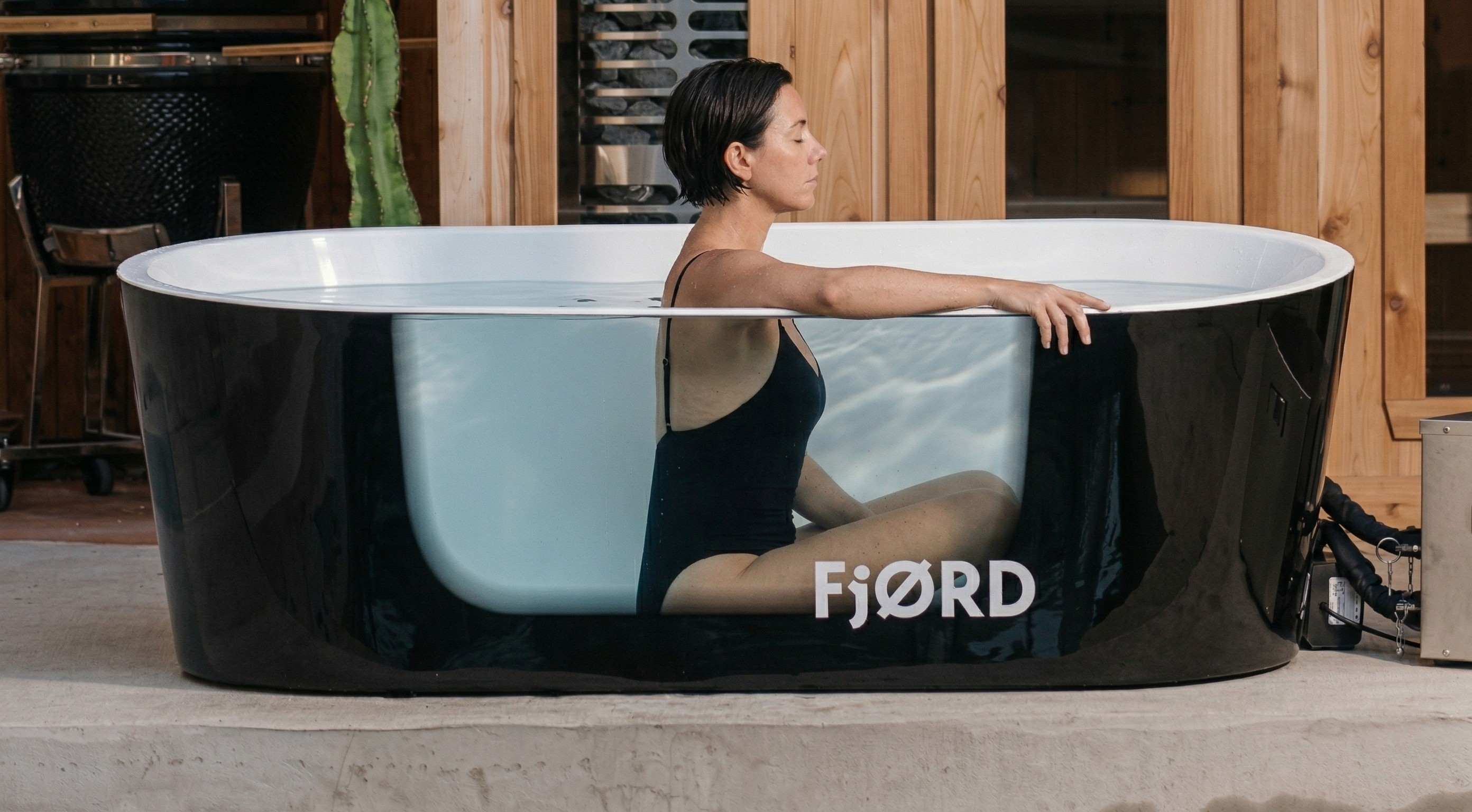
Your breath is the remote control for your nervous system. Cold water is the training ground. Together, they teach your body to stay calm under stress and recover faster from everything life throws at you.
Why Breathwork and Cold Plunging Belong Together
Cold plunging and breathwork are two of the most accessible, research-backed practices for managing stress, improving mood, and building physical and mental resilience. Each one works independently. But when you combine them intentionally, they create a feedback loop that amplifies both.
A 2025 semi-randomized controlled trial published in Nature Scientific Reports studied over 400 healthy adults and found that a 29-day program combining breathwork and cold exposure (the Wim Hof Method) produced greater improvements in self-reported energy, mental clarity, and ability to handle stress compared to mindfulness meditation alone. Participants who did both breathwork and cold immersion showed the most consistent gains across the study period.
This is not a coincidence. Cold water and controlled breathing both act on the autonomic nervous system, the branch of your nervous system responsible for the fight-or-flight response, heart rate regulation, and recovery. When you learn to control your breath in cold water, you are training the same system that governs how you respond to stress in every other area of your life.
What Breathwork Does to Your Body and Brain
Breathwork is not just deep breathing. It is the deliberate manipulation of your breathing pattern (rate, depth, and ratio of inhales to exhales) to shift your nervous system toward a specific state. A Stanford University randomized controlled study published in Cell Reports Medicine compared three breathwork protocols (cyclic sighing, box breathing, and cyclic hyperventilation) against mindfulness meditation over 28 days. The study found that just five minutes of daily breathwork produced greater improvements in mood and greater reductions in respiratory rate than mindfulness meditation, with cyclic sighing (exhale-dominant breathing) showing the strongest effects.
The mechanism is straightforward. Your breath directly influences your heart rate through a phenomenon called respiratory sinus arrhythmia. When you inhale, your heart rate increases slightly. When you exhale, it decreases. By controlling the ratio of inhales to exhales, you can deliberately shift your autonomic nervous system toward activation (sympathetic) or calm (parasympathetic).
This matters for cold plunging because the moment you enter cold water, your body's sympathetic nervous system fires hard. Your heart rate spikes. Your breathing becomes shallow and rapid. Your instinct is to gasp, tense up, and get out. Breathwork gives you a tool to override that panic response, stay calm, and turn the cold from a threat into a training stimulus.
Three Breathwork Techniques for Cold Plunging
Not all breathwork is the same, and different techniques serve different purposes at different points in your cold plunge practice. Here are three evidence-backed methods and when to use each one.
1. Box Breathing (Before the Plunge)
Box breathing is a balanced technique used by Navy SEALs, first responders, and athletes to regulate the nervous system before high-stress events. It involves four equal phases: inhale, hold, exhale, hold, each for the same count (typically four seconds). A Stanford study confirmed that box breathing improves mood and reduces anxiety, making it an effective pre-plunge primer.
How to do it:
-
Inhale through your nose for 4 seconds.
-
Hold your breath for 4 seconds.
-
Exhale slowly through your mouth for 4 seconds.
-
Hold empty for 4 seconds.
-
Repeat for 4 to 6 rounds (about 2 minutes).
When to use it: In the 2 to 3 minutes before you step into the cold plunge. This pre-regulates your nervous system so the cold shock response is less intense and more manageable.
2. Cyclic Sighing (During and After the Plunge)
Cyclic sighing, also known as the physiological sigh, was highlighted by Dr. Andrew Huberman of Stanford as one of the fastest ways to calm the nervous system in real time. It involves a double inhale through the nose followed by a long, slow exhale through the mouth. The double inhale maximally inflates the alveoli (tiny air sacs) in your lungs, and the extended exhale activates the parasympathetic nervous system, lowering heart rate almost immediately.
How to do it:
-
Inhale deeply through your nose.
-
Without exhaling, take a second, shorter inhale through your nose to top off your lungs.
-
Exhale slowly and fully through your mouth, making the exhale at least twice as long as the inhales combined.
-
Repeat as needed. Even 1 to 3 cycles can produce a noticeable calming effect.
When to use it: During the first 30 to 60 seconds of your cold plunge when the cold shock response is most intense. Also excellent immediately after exiting the tub to accelerate your return to a calm baseline. The Stanford study found cyclic sighing produced the greatest daily increases in positive emotion of any technique tested.
3. Cyclic Hyperventilation (Before the Plunge, for Advanced Practitioners)
This technique, popularized as part of the Wim Hof Method, involves 25 to 30 deep, rapid breaths followed by a breath hold on the exhale. It temporarily increases sympathetic nervous system activity, releases adrenaline, and raises your CO2 tolerance. A 2024 systematic review published in PLOS One found that this breathing pattern significantly increased epinephrine levels, which may help attenuate the inflammatory response to cold exposure. A 2023 study from France also found that Wim Hof Method breathing increases gamma-band brain oscillations associated with focused attention and efficient neural signaling.
How to do it:
-
Take 25 to 30 deep, rhythmic breaths. Inhale fully through the nose or mouth, exhale passively (let the air fall out).
-
After the last exhale, hold your breath with lungs mostly empty for as long as comfortable (typically 60 to 90 seconds).
-
Take a recovery breath: inhale fully and hold for 15 seconds before exhaling.
-
Repeat for 2 to 3 rounds, then enter the cold plunge.
When to use it: Before the plunge only. Never perform cyclic hyperventilation while in water. The breath hold can cause shallow water blackout, which is a leading cause of drowning in cold water practitioners. This is a critical safety point emphasized by researchers and medical professionals alike. (Source: Harvard Health)
When to Use Each Technique: A Simple Framework
|
Phase |
Technique |
Why |
|
2-3 min before plunge |
Box Breathing |
Calms the nervous system, lowers baseline heart rate, and reduces the intensity of the cold shock response. |
|
Optional: before plunge |
Cyclic Hyperventilation |
Advanced only. Raises adrenaline, increases CO2 tolerance, and primes the body for cold stress. Never in the water. |
|
First 30-60 sec in water |
Cyclic Sighing |
Overrides the gasp reflex, lowers heart rate in real time, and helps you stay calm through the most intense phase. |
|
Steady state in water |
Slow Nasal Breathing |
Once the initial shock passes, settle into slow, steady breaths through the nose. 4-6 breaths per minute if possible. |
|
After exiting |
Cyclic Sighing |
Accelerates the parasympathetic recovery response and extends the mood-boosting effects of the plunge. |
What the Research Shows When You Combine Breathwork and Cold Exposure
The individual benefits of breathwork and cold water immersion are well documented separately. When combined, the evidence points to a synergistic effect across several domains.
Stress Resilience
The 2025 Nature Scientific Reports trial found that participants combining breathwork and cold exposure reported a greater ability to handle daily stress than those practicing mindfulness meditation. Participants described feeling more in control during stressful moments and less reactive to negative events. The researchers attributed this to the combination of voluntary stress exposure (cold) paired with a conscious regulation tool (breath), which together train the nervous system to respond to stress with composure rather than panic.
Mood and Energy
Cold water immersion alone has been shown to increase dopamine by up to 250% and norepinephrine by up to 530% (Sramek et al., 2000). Breathwork independently improves mood and reduces anxiety (Stanford, Cell Reports Medicine 2023). The Nature trial found that when combined, participants experienced greater momentary improvements in energy and mental clarity immediately following their daily practice compared to meditation alone.
Autonomic Nervous System Regulation
A 2023 study published in Nature Scientific Reports tested a 15-day Wim Hof Method intervention (breathwork, cold exposure, and meditation combined) and found significant improvements in positive affect and subjective vitality. The study confirmed that the combined practice modulated the autonomic nervous system, with measurable changes in heart rate variability and blood pressure during stress tests.
Inflammatory Response
The original Radboud University study on the Wim Hof Method, which helped bring the practice into mainstream science, demonstrated that trained practitioners could voluntarily influence their innate immune response. Specifically, the breathwork component increased epinephrine levels, which attenuated the production of pro-inflammatory cytokines. A 2024 meta-analysis of eight Wim Hof Method studies confirmed that the method may reduce inflammation through increased epinephrine, though the authors noted that study quality remains low and further research is needed.
A Complete Cold Plunge and Breathwork Routine (15 Minutes)
Here is a practical daily protocol that combines both practices into a single morning session. This routine takes approximately 15 minutes and can be done at home with a dedicated cold plunge tub.
|
Time |
Activity |
Details |
|
0:00 - 2:00 |
Box Breathing |
4 to 6 rounds of 4-second inhale, 4-second hold, 4-second exhale, 4-second hold. Seated or standing near the tub. |
|
2:00 - 3:00 |
Enter the Plunge |
Step in deliberately. Submerge to chest or neck level. Expect the cold shock response. |
|
3:00 - 4:00 |
Cyclic Sighing |
Use double-inhale, long exhale to override the gasp reflex. 3 to 5 cycles. Focus on making the exhale smooth and slow. |
|
4:00 - 6:00 |
Slow Nasal Breathing |
Settle into steady nasal breathing. Aim for 4 to 6 breaths per minute. Let your body adapt to the cold. |
|
6:00 - 8:00 |
Stay Present |
Continue slow breathing. Notice the shift from discomfort to calm. This is the training. |
|
8:00 |
Exit the Plunge |
Step out calmly. Do not rush. |
|
8:00 - 10:00 |
Post-Plunge Sighing |
3 to 5 rounds of cyclic sighing. Let your body warm naturally. Do not jump into a hot shower immediately. |
|
10:00 - 15:00 |
Stillness |
Stand or sit quietly. Notice how you feel. This is when dopamine and norepinephrine are peaking. Let the neurochemistry do its work. |
This entire routine can be done before anyone else in your household is awake. With a FjORD Sport or FjORD Lux on your patio or in your garage, there is no prep, no ice runs, and no driving. The water is at your target temperature when you wake up, filtered and ready. You walk outside, breathe, plunge, breathe, and start your day with a neurochemical advantage that lasts for hours.
Safety Considerations for Breathwork and Cold Plunging
Combining breathwork and cold water is powerful, but it requires awareness of a few critical safety principles.
-
Never do hyperventilation breathing in the water. Cyclic hyperventilation (Wim Hof-style breathing) can cause lightheadedness and loss of consciousness. If this happens while submerged, drowning is a real risk. Always perform hyperventilation breathing on dry land, seated, before entering the water.
-
Start gradually. If you are new to cold plunging, begin with warmer water (55 to 60 degrees Fahrenheit) and shorter durations (1 to 2 minutes). Add breathwork progressively as you build comfort and confidence in the cold.
-
Do not force breath holds in the water. In-water breath holds combine cold shock with oxygen deprivation, which significantly increases the risk of cardiac arrhythmia and drowning. Breathe continuously while submerged.
-
Consult a physician if you have cardiovascular conditions. Cold water immersion causes an acute increase in heart rate and blood pressure. Anyone with heart disease, high blood pressure, Raynaud's syndrome, or circulatory issues should get medical clearance before starting.
-
Never plunge alone in open water. Home cold plunge tubs are a controlled environment, which is one of their safety advantages over open-water swimming. But even at home, let someone in your household know when you are plunging, especially as a beginner.
Related Reading
[Internal link: Home Cold Plunge vs Gym or Spa: What Fits Your Lifestyle? - fjordcoldplunge.com/blogs/home-cold-plunge-vs-gym-spa]
[Internal link: How Cold Plunging Accelerates HYROX and Hybrid Athlete Recovery - fjordcoldplunge.com/blogs/cold-plunge-hyrox-hybrid-athlete-recovery]
[Internal link: FjORD Cold Plunge Setup Guide - fjordcoldplunge.com/pages/setup-guide]
[Internal link: Shop FjORD Sport and FjORD Lux - fjordcoldplunge.com/collections/all]
Frequently Asked Questions
Should I do breathwork before or after a cold plunge?
Both. Use box breathing or cyclic hyperventilation (on dry land only) before the plunge to calm or prime your nervous system. Use cyclic sighing during and after the plunge to manage the cold shock response and accelerate parasympathetic recovery. (Source: Huberman Lab)
What is the best breathing technique during a cold plunge?
Cyclic sighing (double inhale through the nose, long exhale through the mouth) is the most effective in-water technique. It activates the parasympathetic nervous system in real time and helps override the gasp reflex. Slow nasal breathing (4 to 6 breaths per minute) is ideal once you have settled into the cold. (Source: Stanford University / Cell Reports Medicine, 2023)
Can breathwork make cold plunging easier?
Yes. Controlled breathing before and during cold immersion reduces the intensity of the cold shock response, lowers perceived discomfort, and helps you stay in the water longer with less stress. Most experienced cold plungers consider breathwork an essential part of the practice, not an optional add-on.
How long should I do breathwork before a cold plunge?
Two to three minutes of box breathing is sufficient for most people. If you are doing cyclic hyperventilation (advanced), two to three rounds take approximately 8 to 10 minutes. Do not overcomplicate it. The goal is to arrive at the water with a regulated nervous system, not to add 20 minutes of prep to your morning.
Is Wim Hof breathing safe to do in cold water?
No. The hyperventilation component of the Wim Hof Method should only be performed on dry land, never in water. Hyperventilation can cause lightheadedness and blackout, which creates a serious drowning risk. Use slow, controlled breathing (cyclic sighing or nasal breathing) while submerged. (Source: Harvard Health)
Do I need a cold plunge tub to combine breathwork and cold exposure?
You can start with cold showers or DIY ice baths. However, a dedicated cold plunge tub with a chiller provides consistent, controlled water temperatures, which makes it significantly easier to build a repeatable daily practice. FjORD tubs cool to approximately 36 degrees Fahrenheit, connect to a standard 110 to 120V outlet, and require no permanent installation. (Source: FjORD Cold Plunge)
Build the Practice. Own the Morning.
Breathwork and cold plunging are not separate wellness trends. They are two halves of the same practice: training your nervous system to stay calm under stress, recover faster, and show up sharper every day. Five minutes of breathing plus three minutes of cold water can change the trajectory of your entire morning. And when you do it daily, it changes the trajectory of your year.
If you are ready to build this practice at home and you want a cold plunge that is ready the moment you are, explore the FjORD Sport and FjORD Lux at fjordcoldplunge.com. American made. Plug-and-plunge simple. Built for people who show up every day.
Have questions about setup, temperature protocols, or how to design a morning routine? Reach out for a free consultation. We help people build cold plunge practices that actually stick.
Sources and External Citations
1. Bosshard, M. et al. (2025). A semi-randomised control trial assessing psychophysiological effects of breathwork and cold immersion. Nature Scientific Reports. doi.org/10.1038/s41598-025-29187-9
2. Yilmaz Balban, M. et al. (2023). Brief structured respiration practices enhance mood and reduce physiological arousal. Cell Reports Medicine, 4(1). PMC9873947
3. Huberman Lab. Breathwork Protocols for Health, Focus & Stress. hubermanlab.com
4. Kopplin, C. S. & Rosenthal, L. (2023). The effectiveness of the Wim Hof method on cardiac autonomic function, blood pressure, arterial compliance, and psychological parameters. Nature Scientific Reports. doi.org/10.1038/s41598-023-44902-0
5. Almahayni, O. & Hammond, L. (2024). Does the Wim Hof Method have a beneficial impact on physiological and psychological outcomes? A systematic review. PLOS One. PMC10936795
6. Sramek, P. et al. (2000). Human physiological responses to immersion into water of different temperatures. European Journal of Applied Physiology, 81(5), 436-442. PubMed: 10751106
7. Harvard Health (2025). Cold plunges: Healthy or harmful for your heart? health.harvard.edu
8. PLOS One (2025). Effects of cold-water immersion on health and wellbeing: A systematic review and meta-analysis. doi.org/10.1371/journal.pone.0317615
9. UF Health Jacksonville (2024). The benefits of cold-water immersion therapy. ufhealthjax.org
10. Wim Hof Method. Scientific Research Overview. wimhofmethod.com/science


Cold Water Immersion Is One of the Most Effective Recovery Tools for Hybrid Athletes