
Chronic pain is an escalating challenge in the United States, driving a demand for practical, immediate interventions. According to the CDC, 24.3% of U.S. adults reported chronic pain in 2023, a significant rise from 20.4% in 2019. For many, this is high-impact pain that severely limits daily activities and work 1. As we move through 2025, the standard of care has fundamentally shifted away from symptom suppression toward integrated strategies that address the biological, behavioral, and contextual aspects of pain.
The current landscape reflects a convergence of updated clinical options and daily habit formation. This year, the FDA’s approval of a novel non-opioid analgesic for acute pain underscores the rapid evolution of the evidence landscape 2. However, the most effective modern protocols now emphasize multimodal, at-home strategies that empower patients to take control of their symptoms.
This expert list synthesizes actionable, science-backed approaches for managing chronic pain in 2025. It covers critical areas such as the strategic use of heat and cold, movement protocols to reduce sensitivity, and the roles of nutrition and sleep in lowering inflammation. Additionally, it outlines specific protocols used with FjØRD clients for cold exposure, emphasizing short, frequent sessions and breathwork. This guide is designed to help you construct a personalized, sustainable toolbox that aligns with current medical evidence.
1. Cold Therapy: Strategic Inflammation Control
Cold therapy remains a cornerstone of non-pharmacological pain management, particularly for limiting inflammation and calming pain signaling. Laboratory and clinical research indicates that cold exposure reduces blood flow and inflammatory mediators, physiological changes that are linked to both stress reduction and analgesia 3.
Clinical assessments of cryotherapy have reported meaningful symptom reductions in chronic musculoskeletal conditions. Some cohorts experienced reductions in pain and joint stiffness on the order of 22% 4. For active adults and athletes, cold water immersion is frequently used to shorten soreness windows and support training continuity. Modern programs often pair immersion with breathwork to further relax the nervous system.
While ice packs are effective for localized flares, full-body or partial-body plunges offer systemic effects and consistent, repeatable exposure. The FjØRD protocol advocates for short, frequent sessions at moderate temperatures. This approach helps clients associate the plunge with relief rather than dread. It is crucial to coordinate with a clinician to ensure timing and intensity fit within your specific medical plan.
2. Heat Therapy: Enhancing Tissue Elasticity
Heat therapy functions by relaxing tight muscles, improving tissue elasticity, and increasing local blood flow. In the context of chronic musculoskeletal pain, research has shown that continuous low-level heat can reduce pain by 33% compared to acetaminophen 5. Users in these studies also reported improved flexibility and reduced stiffness.
Heat is particularly effective for tension-dominant pain, morning stiffness, or as a pre-activity warmup. Conversely, it should be avoided on acutely swollen or freshly injured areas. Many integrated pain management programs pair heat with mobility exercises to maximize range-of-motion gains. For home application, heat wraps, warm showers, or gentle heating pads are recommended.
Quick Reference: Heat vs. Cold
- Cold: Best for acute flares and swelling (Mechanism: Vasoconstriction). Avoid if you have poor circulation.
- Heat: Best for stiffness and muscle tension (Mechanism: Vasodilation). Avoid during acute swelling.
3. Movement and Nervous System Desensitization
Movement is a powerful tool for dampening the brain’s overreaction to pain signals. Recent summaries of clinical research note that exercise acts as a nervous system desensitization mechanism, allowing individuals with chronic pain to improve function with less fear 6.
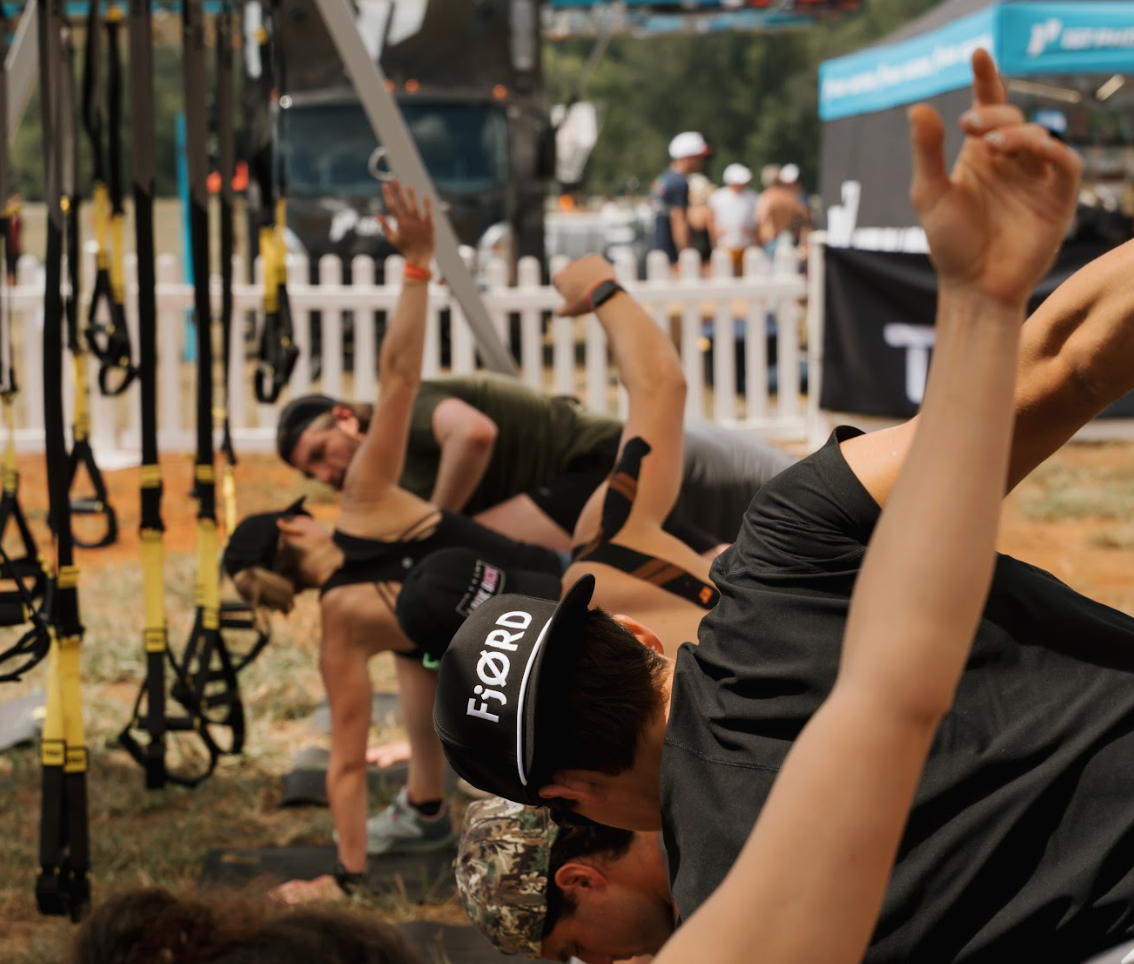
Reliable starting points include walking, aquatic exercise, gentle strength training, and mobility work. The intensity should be manageable and consistent rather than high-intensity. Many patients benefit from "pacing"—taking short movement breaks and gradually progressing activity levels. If stiffness is present upon waking, heat can be applied pre-session; if a joint flares post-activity, cold is appropriate.
Starter Protocol for Sensitive Days:
- 10 minutes of easy walking daily.
- 5 to 10 minutes of hip and shoulder mobility.
- A brief core routine twice per week.
- On high-pain days, utilize aquatic movement or gentle stretching.
4. Mind-Body Techniques for Pain Perception
Mindfulness, meditation, and cognitive-behavioral tools are proven to alter how the brain processes pain. Neuroimaging studies demonstrate that mindfulness meditation engages distinct brain circuits to reduce pain perception via mechanisms different from the placebo effect 7.
Programs such as Cognitive Behavioral Therapy (CBT) and Mindfulness-Based Stress Reduction (MBSR) have consistently produced meaningful gains in pain reduction and function compared to usual care. Pairing breathwork with cold sessions can steady heart rate and reduce physiological reactivity. Furthermore, 5 to 10 minutes of mindfulness before bed has been shown to improve sleep quality and next-day coping mechanisms.
5. Sleep Hygiene as a Pain Management Tool
The bidirectional relationship between sleep and pain is well-established. Reviews indicate that sleep disturbance affects a significant proportion of people with chronic pain, with some analyses citing rates as high as 88% 8. Poor sleep exacerbates pain sensitivity through neurobiological changes, whereas restorative sleep improves symptom control.
To optimize sleep, target consistent bed and wake times, maintain a dark and cool room environment (60 to 67°F), and limit caffeine intake late in the day. A wind-down routine incorporating breathwork or mindfulness is highly recommended. If insomnia persists, clinicians may recommend Cognitive Behavioral Therapy for Insomnia (CBT-I), which supports both sleep and pain management 9.
6. Nutrition and Anti-Inflammatory Diets
Dietary patterns play a significant role in inflammatory tone and pain signaling. Research highlights the importance of the omega-6 to omega-3 ratio, suggesting that shifting toward omega-3 rich foods may mitigate inflammation 10.
Systematic reviews support anti-inflammatory dietary patterns, such as the Mediterranean diet, for improving pain-related outcomes and quality of life 11. Practical dietary adjustments include increasing intake of fish, nuts, olive oil, beans, and colorful produce while reducing refined oils and ultra-processed foods. Patients should discuss supplements like curcumin or ginger with their clinician, particularly if they are taking anticoagulants.
7. Support Networks and Pain Education
Chronic pain is a biopsychosocial experience, meaning community support is a critical component of care. Approximately 40% of adults with chronic pain experience significant depression or anxiety 12. Peer support groups reduce isolation and provide practical coping strategies.
Furthermore, education regarding the mechanisms of pain lowers fear, increases confidence, and can reduce perceived pain intensity. In the U.S., resources such as national nonprofits with trained facilitators, hospital-based groups, and condition-specific forums are widely available. Setting a goal to attend one meeting per week can help track mood and pain patterns over time.
8. Alternative and Complementary Therapies
Complementary approaches such as acupuncture, massage, and TENS units are frequently integrated into core care plans. The National Center for Complementary and Integrative Health (NCCIH) notes evidence of benefit for specific pain types 13.
Reviews suggest that acupuncture can reduce pain through specific neurochemical pathways, and some patients report relief with topical CBD or massage for musculoskeletal conditions 14. Because individual responses vary, it is important to track outcomes and costs to determine efficacy. Patients should verify training and credentials and inform their primary clinician to avoid interactions with medications.
9. Professional Medical Options: Specialist Intervention
When pain limits daily life, mood, or sleep despite consistent self-care, specialist intervention is warranted. Multidisciplinary approaches combining physical therapy, psychological support, and selective pharmacology are the standard of care.
In 2025, the FDA’s approval of a novel non-opioid analgesic for moderate to severe acute pain has expanded the pharmacologic toolkit 15. For complex cases, advanced options such as spinal cord stimulation or neuromodulation may be considered under specialist guidance. Red flags necessitating immediate medical attention include unexplained weight loss, fever, new neurological changes, or sudden severe pain.
10. Building a Personalized Toolbox
Personalization is key to adherence and positive outcomes. Evidence-informed programs typically begin with a few proven pillars and adapt based on patient response. Public health resources emphasize integrated approaches combining lifestyle, education, and targeted treatments 16.
A structured approach might pair daily movement with either heat or cold therapy, alongside sleep and nutrition habits that reduce inflammatory load. FjØRD Cold Plunge units fit into these at-home plans by offering reliable, portable options for consistent cold exposure.
Sample 4-Week Personalization Plan:
- Weeks 1-2: Implement two daily pillars (e.g., 10 minutes walking, 5-minute wind-down). Add heat or cold sessions three times per week.
- Weeks 3-4: Progress activity (e.g., add one strength day, extend walking). Add one additional heat or cold exposure.
Conclusion: Designing Your Protocol
Effective chronic pain management in 2025 relies on a multimodal toolkit rather than a single solution. The current evidence supports an approach that integrates gentle movement, strategic use of heat and cold, mind-body techniques, sleep hygiene, and anti-inflammatory nutrition. When necessary, these self-managed strategies should be augmented by clinician-guided options, including new non-opioid medications and specialist procedures.
For those incorporating cold therapy, FjØRD Cold Plunge offers a practical solution for consistent, moderate sessions paired with breathwork. By starting with brief exposures and tracking physiological responses, patients can build a sustainable routine. Constructing a personalized plan in consultation with a clinician ensures that all modalities align to support long-term relief and improved quality of life.


Cold Plunge While Sick? Analyzing the Risks and Recovery Protocols
What's the Best Way to Integrate Cold Exposure into a Daily Routine?